
 Chinese
1. Introduction: Why Voltage Type Matters in B2B LED Strip Procurement
In commercial lighting, building facade lighting, retail display, and hotel engineering projects, LED strip selection directly determines project stability, installation efficiency, operational cost, and long-term safety. For B2B buyers, contractors, and lighting engineering companies, distinguishing between low voltage LED strips and high voltage LED strips is the core premise of standardized procurement.
Many B2B project failures such as uneven brightness, short service life, circuit failures, and potential safety hazards stem from improper selection of LED strip voltage and unreasonable layout of LED strip max run length. This article delivers professional, project-oriented guidelines to help B2B purchasers clarify the differences between low voltage and high voltage LED strips, master standard run length parameters, and implement compliant installation and operation safety specifications.
2. Low Voltage vs High Voltage LED Strips: Core Definition & Key B2B Differences
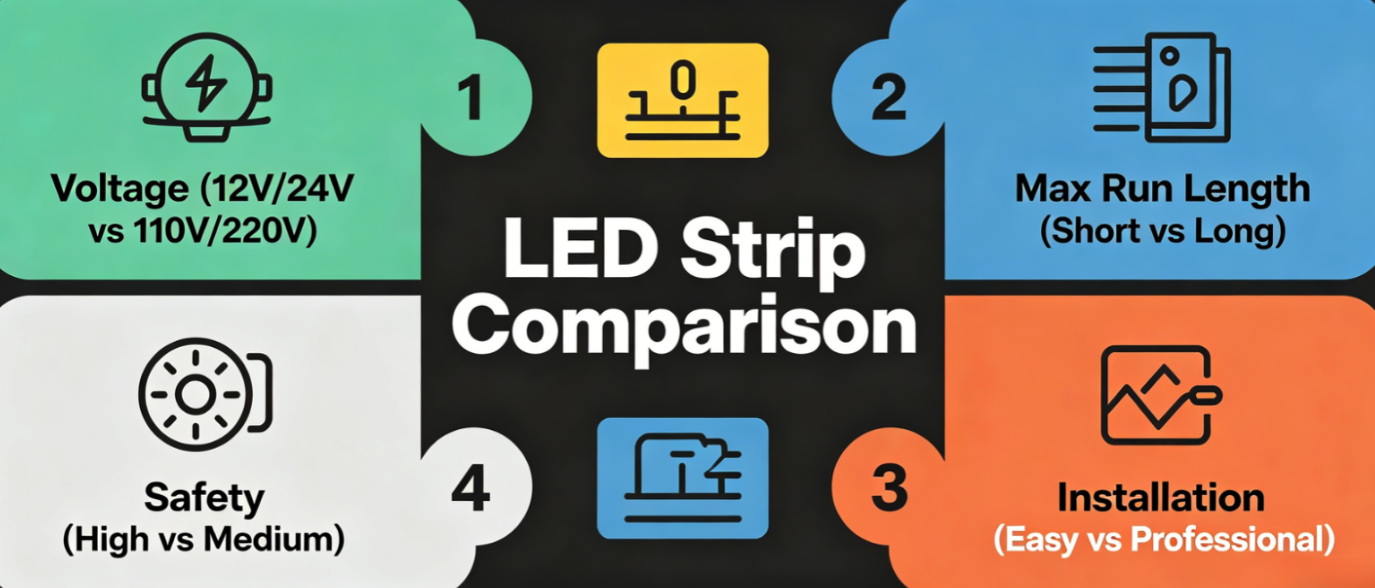
LED strips are mainly divided into two categories according to working voltage: DC low voltage LED strips (12V/24V) and AC high voltage LED strips (110V/220V). Their structural design, power supply mode, and application scenarios are significantly different, which directly affects B2B project construction schemes.
2.1 Basic Definition of Two Types of LED Strips
Low Voltage LED Strips (12V/24V DC): Powered by direct current and matched with a dedicated LED driver, these strips belong to safe voltage lighting products. They feature low heat generation, stable output, and no electric shock risk during installation. They are widely used in indoor commercial scenarios including cabinet lighting, supermarket shelf lighting, hotel interior decoration, and office ambient lighting.
High Voltage LED Strips (110V/220V AC): Designed to be directly connected to municipal alternating current without additional drivers, these integrated LED strips simplify the overall power supply structure. They are suitable for long-distance outdoor lighting projects such as building facade lighting, commercial street contour lighting, and large-scale venue border decoration.
2.2 Key B2B Procurement Differences Comparison
| Comparison Dimension | Low Voltage LED Strip (12V/24V) | High Voltage LED Strip (110V/220V) |
| Power Supply Mode | DC power supply, requires professional driver | Direct AC mains connection, no driver needed |
| Installation Difficulty | Simple and flexible, suitable for fine construction | Standardized operation required, needs professional electrician |
| Applicable Scenarios | Indoor short and medium-distance commercial lighting | Outdoor long-distance engineering lighting |
| Overall Project Cost | Low strip unit price, additional driver cost | Integrated design, saves auxiliary power supply cost |
3. B2B Core Parameter: Maximum Run Length of LED Strips
Run length is one of the most concerned technical indicators in B2B LED strip procurement. Voltage drop is the main factor limiting the continuous lighting length of LED strips. Exceeding the standard maximum run length will cause severe brightness attenuation, inconsistent color temperature, and accelerated light decay, damaging the overall presentation of commercial lighting projects.
3.1 Maximum Run Length of Low Voltage LED Strips (12V/24V)
12V LED strip maximum run length: The standard single continuous run length is 5 meters. Due to the large voltage drop of 12V low voltage, if the single running distance exceeds 5 meters, the tail voltage will be insufficient, resulting in dark tail brightness and obvious light unevenness. It is the preferred choice for short-distance indoor B2B scenarios such as cabinet lighting and small-area display lighting.
24V LED strip maximum run length: The optimized single continuous run length ranges from 10 to 15 meters. The voltage drop of 24V DC is significantly lower than that of 12V, ensuring stable brightness and consistent light output in medium-distance layout. It is widely used in commercial corridors, exhibition hall surroundings, and medium-sized indoor space lighting projects.
For B2B projects requiring longer laying distances, the standard solution is segmented power supply and parallel wiring. Each independent section is equipped with a matched driver to avoid voltage drop problems and ensure the overall lighting uniformity of the project.
3.2 Maximum Run Length of High Voltage LED Strips (110V/220V)
High voltage LED strips have extremely low line loss, breaking the length limit of low voltage strips. The standard 220V LED strip maximum length for outdoor projects can reach 50 to 100 meters for single continuous operation. There is no obvious brightness attenuation in long-distance laying, which greatly reduces the splicing points and construction difficulty of large-scale lighting projects.
In B2B engineering procurement, high voltage LED strips are usually supplied in 50-meter rolls, with flexible cutting spacing (50cm/100cm). They effectively reduce construction costs and improve project delivery efficiency, and are the mainstream solution for long distance LED strip building facade lighting.
4. LED Strip Safety Precautions: Standard Guidelines for B2B Engineering
LED strip safety tips and standardized installation are key to ensuring the stable operation of commercial lighting projects for a long time. Different voltage LED strips correspond to different safety operation specifications. B2B purchasers and construction teams must follow industry standards to avoid circuit failures and safety risks.
4.1 Safety Guidelines for Low Voltage LED Strips
As human-safe voltage lighting products, low voltage LED strips have high safety performance in indoor dense scenarios such as shopping malls, offices, and educational venues. B2B construction and operation need to focus on the following specifications:
- Overload Prevention: Match the driver power according to the actual total power of the LED strip. Overloading a low-power driver with high-power strips will cause equipment heating, burnout, and hidden short-circuit risks.
- Standard Heat Dissipation: High-power low voltage strips (≥14W/m) must be installed with aluminum profiles to optimize heat dissipation, reduce light decay, and extend the service life of engineering lighting equipment.
- Waterproof Grade Matching: For humid indoor or semi-outdoor B2B scenarios such as underground garages and catering spaces, select LED strips with IP65 or above waterproof grade to prevent moisture from invading the circuit and causing failures.
4.2 Safety Guidelines for High Voltage LED Strips
High voltage LED strips are connected to municipal power, with certain electric shock and fire risks. B2B outdoor engineering construction must strictly implement B2B LED strip safety guidelines:
- Professional Installation: Only certified electricians can perform wiring and installation operations. Power off the whole construction process, and do not operate with electricity to avoid electric shock accidents.
- Insulation and Fire Prevention: All wiring joints need professional insulation and waterproof sealing treatment. Avoid laying strips close to flammable materials to reserve sufficient heat dissipation space.
- Reliable Grounding: For outdoor building lighting projects, the metal accessories of high voltage LED strips must be reliably grounded to prevent leakage risks caused by aging lines or lightning induction.
- Certification Verification: B2B bulk procurement must check CE, UL, and RoHS certifications of products to ensure that the products meet international electrical safety standards and avoid project compliance risks.
5. B2B LED Strip Procurement Selection Guide
Choosing a suitable LED strip should comprehensively consider the project laying length, installation environment, safety requirements, and overall budget, combined with the difference between low voltage and high voltage LED strip:
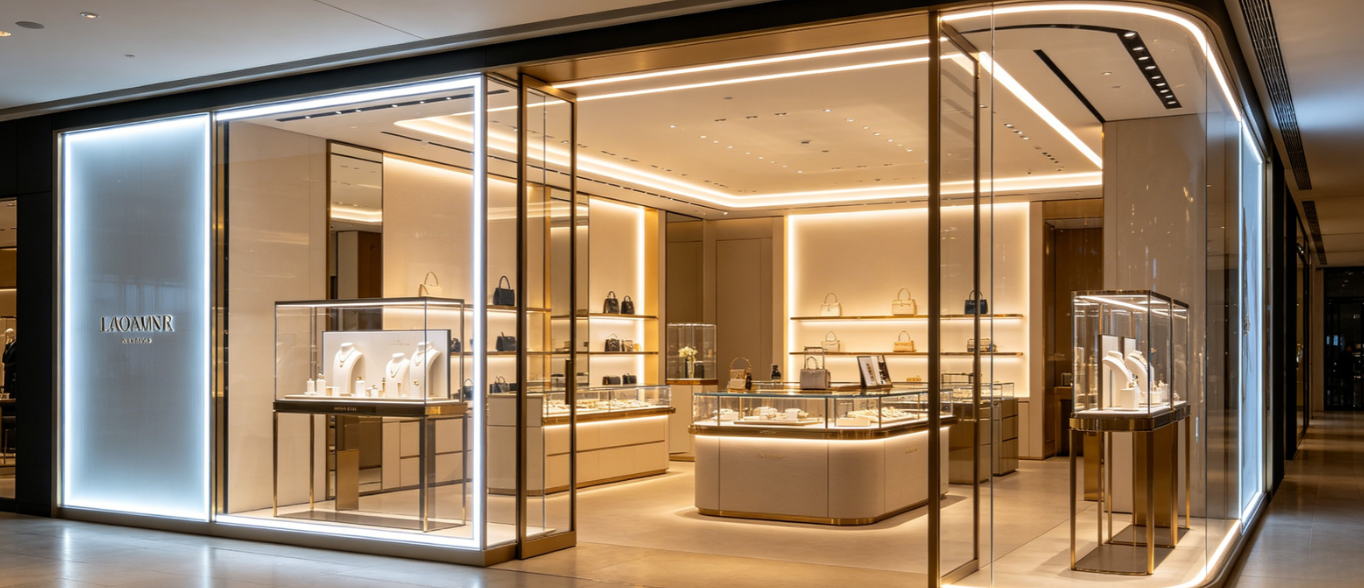
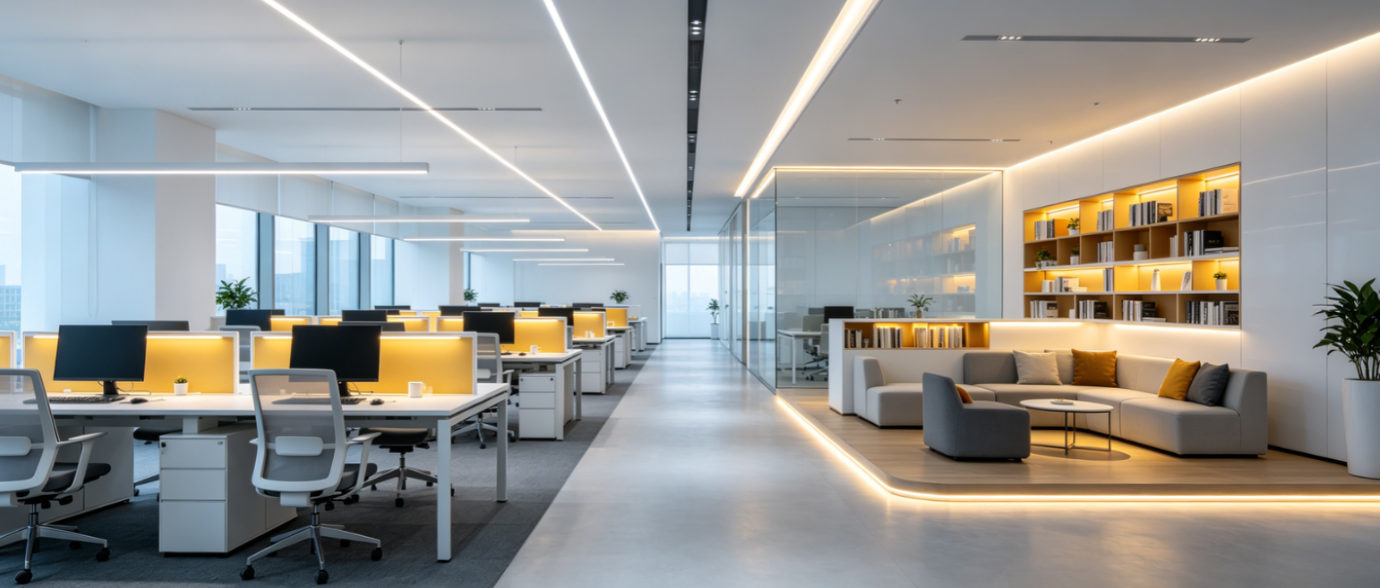
- Indoor Short & Medium-Distance Projects (≤15m): Prioritize 24V low voltage LED strips. They balance safety, lighting uniformity, and stable performance, suitable for hotel interiors, retail store displays, and office lighting transformation.
- Outdoor Long-Distance Large-Scale Projects (≥50m): Prioritize 220V high voltage LED strips. They simplify the power supply system, reduce auxiliary material costs, and adapt to commercial street lighting, building facade contour lighting, and municipal engineering lighting.
- B2B Bulk Procurement Principles: Give priority to standardized suppliers with complete qualifications and long-term after-sales service. Confirm parameters such as running length, waterproof grade, and power in advance, and customize a professional power supply and laying scheme according to project requirements.
6. Common FAQ for B2B LED Strip Projects
6.1 Does the thicker LED strip PCB mean better quality?
Not exactly. The core factor affecting the stability and maximum running length of LED strips is the PCB copper foil thickness. High-quality engineering-grade LED strips adopt 2oz thickened copper foil, which effectively reduces voltage drop and heat generation. Reasonable circuit design is more important than superficial strip thickness.
6.2 Do high voltage LED strips require no daily maintenance?
High voltage LED strips applied in outdoor environments are affected by wind, sun, and rain erosion. It is necessary to regularly check the aging of insulating layers and waterproof colloid, and inspect the tightness of wiring joints quarterly to eliminate hidden leakage and short-circuit risks.
6.3 Is price the primary factor for B2B procurement?
Commercial lighting project procurement should focus on comprehensive cost performance and project stability. Low-cost and unqualified LED strips are prone to brightness attenuation, circuit failures, and safety hazards, resulting in increased rework and maintenance costs in the later stage, which is not conducive to long-term project operation.
7. Conclusion
Low voltage and high voltage LED strips have their unique application advantages in B2B commercial and engineering lighting. Low voltage 12V/24V LED strips feature high safety and stable light output, suitable for short and medium-distance indoor commercial LED strip lighting projects; high voltage 110V/220V LED strips support ultra-long-distance laying, meeting the construction needs of large outdoor lighting projects.
In B2B procurement, clarifying the maximum run length of different voltage LED strips and strictly abiding by installation and safety specifications are the key to ensuring standardized, safe, and long-term stable operation of lighting projects. Selecting qualified and compliant LED strip products can effectively reduce project risks and create stable and high-quality commercial lighting effects.
Facebook:https://www.facebook.com/profile.php?id=100089993887545
Instagram:https://www.instagram.com/mingxuelighting.factory/
YouTube:https://www.youtube.com/channel/UCMGxjM8gU0IOchPdYJ9Qt_w
LinkedIn:https://www.linkedin.com/company/mingxue/
Post time: Jun-09-2026